


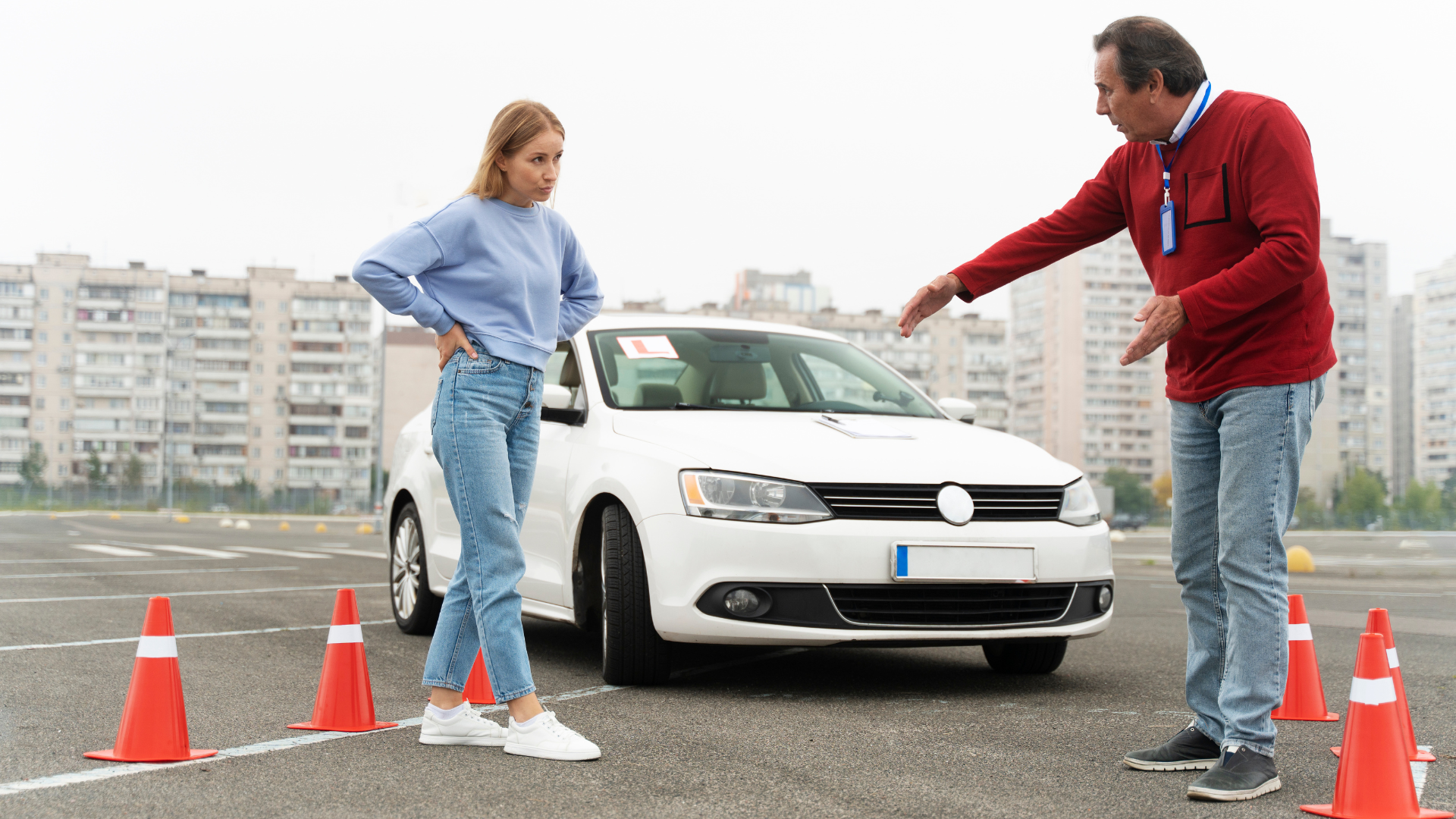
Passing your G2 road test is a major milestone for every new driver in Ontario. It brings you one step closer to full driving freedom and greater confidence on the road. However, many learners feel nervous before the test because they are unsure what to expect or worried about making mistakes under pressure.
The good news is that passing your G2 road test on the first attempt is completely achievable with the right preparation, practice, and mindset. Understanding the test structure, improving your driving habits, and avoiding common errors can significantly increase your chances of success.
In this guide, we’ll cover everything you need to know to confidently pass your G2 road test on your first try.
Understand What the G2 Road Test Includes
Before you begin preparing, it’s important to understand what the examiner will evaluate during the test.
The Ontario G2 road test focuses on basic driving skills and your ability to drive safely in real traffic situations. During the test, the examiner may assess:
- Proper vehicle control
- Lane changes
- Left and right turns
- Intersection handling
- Stop signs and traffic lights
- Parallel parking
- Three-point turns
- Parking on hills
- Speed control
- Observation skills
- Mirror and blind spot checks
The examiner is not expecting perfection. They want to see that you can drive safely, confidently, and responsibly.
Practice Consistently Before the Test
One of the biggest reasons people fail their G2 test is lack of practice. Driving occasionally is not enough. Consistent practice helps build muscle memory and improves your reaction time in different traffic situations.
Try to practice in:
- Residential streets
- Busy intersections
- Main roads
- School zones
- Parking lots
- High-traffic areas
Practice during different times of the day, including rush hour and evening driving, so you become comfortable in various conditions.
The more real-world experience you gain, the more relaxed and prepared you will feel during the actual test.
Learn the Most Common G2 Test Mistakes
Knowing what causes most drivers to fail can help you avoid unnecessary errors.
1. Forgetting Blind Spot Checks
This is one of the most common reasons for failure. Many drivers check mirrors but forget to physically turn their head to check blind spots before:
- Lane changes
- Turns
- Pulling over
- Leaving a parking position
Make your blind spot checks obvious so the examiner can clearly see them.
2. Rolling Stops
At stop signs, your vehicle must come to a complete stop behind the line. Rolling through a stop sign can result in automatic deductions and may even lead to failure.
Always:
- Stop fully
- Look left, right, and left again
- Proceed only when safe
3. Driving Too Slowly or Too Fast
Many nervous drivers drive below the speed limit because they think it is safer. However, driving too slowly can disrupt traffic and show lack of confidence.
Drive according to:
- Posted speed limits
- Road conditions
- Traffic flow
Maintain steady and controlled speed throughout the test.
4. Poor Observation at Intersections
Examiners pay close attention to your scanning habits. Always check:
- Left
- Right
- Left again
Do this at every intersection, even when the light is green.
5. Improper Lane Changes
Before changing lanes:
- Check rear-view mirror
- Check side mirror
- Check blind spot
- Signal
- Change lanes smoothly
Avoid sudden or aggressive lane movements.
Take a Professional Driving Lesson
Even if you already know how to drive, taking lessons from a certified driving instructor can make a huge difference.
Professional instructors can:
- Identify bad habits
- Teach test-specific techniques
- Simulate real test routes
- Improve parking skills
- Boost your confidence
Many driving schools in Ontario also offer mock road tests that closely resemble the actual exam experience.
A few professional lessons before your test can help you feel much more prepared.
Practice Parallel Parking Until It Feels Natural
Parallel parking is often one of the most stressful parts of the G2 test. The key is repetition and proper technique.
When practicing:
- Use cones or parked cars
- Focus on steering control
- Practice both left and right-side parking
- Learn reference points
Remember:
The examiner is looking for safe and controlled parking, not perfect parking.
Even if you need a small adjustment, stay calm and complete the maneuver safely.
Get Familiar with the Test Area
If possible, practice around the test center where your exam will take place.
This helps you:
- Understand local speed limits
- Identify tricky intersections
- Recognize school zones
- Become comfortable with nearby roads
Many test centers use similar routes regularly, so local practice can give you an advantage.
Prepare Your Vehicle Before the Test
Your car must be in proper working condition on test day. Examiners may cancel the test if the vehicle is unsafe.
Before your appointment, check:
- Brake lights
- Turn signals
- Headlights
- Horn
- Windshield wipers
- Tires
- Mirrors
- Fuel level
Also ensure the car interior is clean and distraction-free.
Stay Calm and Confident During the Test
Nervousness is normal, but confidence plays a big role in your performance.
Here are a few ways to stay calm:
- Get enough sleep the night before
- Arrive early
- Take deep breaths
- Listen carefully to instructions
- Focus on one task at a time
Remember that small mistakes usually won’t fail you. Examiners understand that learners may feel nervous.
What matters most is safe decision-making.
Use Proper Steering Techniques
Good steering control demonstrates confidence and vehicle awareness.
Avoid:
- One-handed steering
- Oversteering
- Crossing hands aggressively
Use smooth and controlled movements while maintaining proper lane positioning.
Always Signal Early
Signal communication is essential for safe driving.
Use signals:
- Before turns
- Before lane changes
- When pulling over
- When leaving a parking spot
Signal early enough to give other drivers time to react.
Check Mirrors Frequently
Examiners want to see active observation skills throughout the drive.
Check mirrors regularly:
- Every few seconds
- Before slowing down
- Before stopping
- Before turning
- Before lane changes
Avoid staring too long. Quick and frequent mirror checks are ideal.
Be Careful in School Zones and Residential Areas
Many drivers lose marks because they forget to reduce speed in school zones or residential streets.
Watch carefully for:
- Pedestrians
- Cyclists
- Parked cars
- Children crossing
- Reduced speed signs
Drive cautiously and stay alert at all times.
Know How to Handle Emergency Vehicles
If you hear sirens or see emergency vehicles approaching:
- Stay calm
- Signal
- Pull over safely
- Stop when necessary
Failing to respond properly to emergency vehicles can result in major deductions.
Don’t Rush Your Decisions
Many mistakes happen because drivers panic and rush.
During the test:
- Take your time at intersections
- Wait for safe gaps
- Avoid sudden braking
- Stay patient in traffic
Safe driving is always more important than fast driving.
What to Bring on Test Day
Before leaving for your appointment, make sure you have:
- Your G1 license
- Appointment confirmation
- Glasses or contacts if required
- A safe and roadworthy vehicle
Arriving prepared helps reduce stress and prevents last-minute problems.
Final Thoughts
Passing your G2 road test on the first attempt is all about preparation, practice, and confidence. The more comfortable you become behind the wheel, the more naturally your driving skills will show during the exam.
Focus on safe driving habits, proper observation, and staying calm under pressure. Practice regularly, learn from your mistakes, and treat every practice session like the real test.
Remember, the examiner is not looking for a perfect driver — they are looking for a safe one.
With the right mindset and enough preparation, you can walk into your G2 road test feeling confident and ready to succeed on your first try.